7+ Ways To Survive Winter Storms
/
Here’s How To Stay Warm
1. Install weatherstripping
Seal a drafty door by installing foam or felt weatherstripping inside the door frame. Ask your hardware store for the correct products and installation instructions.
Soundproof Weather Stripping Door Seal for Large Gaps - Easy Install Black Foam Strip, 26 ft
Soundproof Weather Stripping Door Seal for Large Gaps - Easy Install Black Foam Strip, 26 ft - Amazon.com
2. Install a door sweep/draft stopper
This is another easy way to keep those pesky winter drafts getting into your home. Use a door sweep to stop drafts from entering your home under an exterior door.
Honeywell Home RTH6580WF Wi-Fi 7-Day Programmable Thermostat
You have your own schedule and routine, and it doesn't always align with your thermostat. When you're on the go, you…
3. Don’t Forget To Put Together a Car Kit
According to Old Farmer’s Almanac, here is what to put in your kit:
In an emergency, in addition to a full tank of gas and fresh antifreeze, the National Safety Council recommends having these with you at all times:
Blankets, mittens, socks, and hats
Ice scraper and snow brush
Flashlight, plus extra batteries (or a hand-crank flashlight)
Jumper cables
First-aid kit (band-aids, adhesive tape, antiseptic wipes, gauze pads, antiseptic cream, medical wrap). See a first-aid kit checklist.
Bottled water
Multi-tool (such as a Leatherman multi-tool or a Swiss Army knife)
Road flares or reflective warning triangles
Windshield cleaner
Extra Supplies for Frigid Weather
Add the items below to your emergency kit for those in wintry, snowy areas. (If it’s balmy all winter where you live, be thankful that you don’t need all of this stuff!)
A bag of sand to help with traction (or a bag of non-clumping cat litter)
Collapsible or folding snow shovel
Blanket
Tire chains and tow strap
Hand warmers
Winter boots for longer trips
Sleeping bag for longer trips
HAIPHAIK Car Emergency Roadside Kit- Safety Kits for Cars, Car Jumper Cables Kit 11.8 Feet…
Buy HAIPHAIK Car Emergency Roadside Kit- Safety Kits for Cars, Car Jumper Cables Kit 11.8 Feet (Upgrade) 124 Pcs Car…
Winter Car Emergency Kit
Do you have a car emergency kit for winter? This list will make sure that you stay safe in an automobile emergency, no…
4. Insulated window coverings
My grandmother always recommended heavy curtains during the winter. She lived in the country, prone to bad weather in upstate NY. I remember her switching out her curtains to the heavy-backed ones right before the holidays.
BGment Blackout Curtains for Bedroom - Grommet Thermal Insulated Room Darkening Curtains for Living…
Package Includes: Set of 2 blackout curtains. Grommet Construction: Each curtain panel has 6~8 silver metal grommets…
5. Add attic insulation
Insulation keeps warm air inside in the winter and expensively cooled air inside in the summer.
Insulating really should be left to the professionals.
See Energy.gov’s guide to sources and to a calculator to estimate the return on an insulation investment such as rebates.
6. Programmable thermostat
Save up to $180 a year on fuel costs with a programmable thermostat. The thermostat can save fuel by automatically lowering (or raising) your home’s temperature while you’re away. It also keeps temperatures consistent, saving fuel.
You might also be able to get one free!
7. Consider Getting One of These Fireplaces
My mother-in-law has one and while it’s not a super great source of heat, its better than nothing!
Xbeauty Electric Fireplace Stove, Freestanding Fireplace Heater with Realistic Flame, Indoor…
Amazon.com: Xbeauty Electric Fireplace Stove, Freestanding Fireplace Heater with Realistic Flame, Indoor Electric Stove…
Many people make sure to have a fireplace in whatever home they buy or rent. Fireplaces are a nice backup to power outages but they have their issues. They need to be maintained, lest you have a fire.
10 Tips for Maintaining a Wood-Burning Fireplace
There are many advantages to using a wood-burning fireplace, including saving money on heating costs. We have a few…
My grandparents had an old-school wood-burning stove that they used all winter. It was cheaper than running their electric heat!
8. Replace furnace filters monthly
Before the snow and cold hit, check and replace the furnace filter monthly in winter or every three months while the system is in operation. Your owner’s manual will tell you where it’s located. Hold the filter up to the light: If you can’t see light through it, you need a new one.
Press enter or click to view image in full size
9. Heat Gone Out? Pitch a Tent to Conserve Heat
This is one of the more unusual tips but pitching a tent with some blankets can help you stay warm if your heater goes out.
10. Keep your furnace running smoothly
Servicing your furnace regularly helps you catch problems before expensive breakdowns, prolong the furnace’s life, and keep it running more efficiently.
Newer furnaces need professional servicing every two years. Older units require annual servicing.
Check your furnace’s manual to see which specific steps are recommended. Ask friends and colleagues for names of good technicians. Find one or two you trust and stick with them.
11. Insulate the water heater
Save on fuel by wrapping older water heaters in a blanket of insulation, an easy DIY project that even a beginner can do. Your utility company has instructions.
12. Plug household leaks
Besides making sure pests don’t get in your home, take a tour and find and fill cracks and gaps in siding, windows and foundation.
Speaking of pests, I recommend setting out Tom Cat products before the snow. Pests like mice will tend to move into homes during the fall if precautions aren’t taken.
Place these, especially in garages, basements, and attics. They are pet-safe too.
As for filling in cracks, use caulk for small cracks and foam sealer for bigger gaps. An easy trick to find drafts is to light a candle to find where cold air is entering.
Check door frames, windows, skylights, chimneys and vents. Also check openings around appliance vents, electrical and plumbing fixtures and furnace ducts and check the top of basement walls where the foundation meets wood.
13. Stock Up on Hot Drinks, Soups, Etc
Eating hot foods like soup and pasta is a better idea to stay warm from the inside out. I have a pantry full of pasta and hot cocoa K-cups. Or if baking is your thing, bake up some quick bread or cookies to add more heat to your home.
14. Avoid Frozen Pipes
Press enter or click to view image in full size
15. And Don’t Forget Pets!
Cold weather safety for pets depends on many factors. According to Fox8:
The answer depends on multiple factors, including your dog’s needs, age, health, and breed.
Smaller dogs are more susceptible to hypothermia and frostbite in cold weather, according to Marshfield Animal Hospital. They lose body heat faster than larger dogs.
Healthy arctic breeds and other medium-to-large dogs can often withstand harsher temperatures, thanks in part to their double coats, the American Kennel Club explains. These breeds, like huskies or Bernese mountain dogs, can stay outdoors longer in temperatures below 32°F, usually for 30 minutes to an hour.
Press enter or click to view image in full size
Here are the signs to look out for if your pet is too cold:
Hastings Veterinary Clinic says there are a number of signs to watch for to know when your dog is getting too cold. That includes their limbs becoming very cold, breathing becoming rapid, increased urination, fur standing on end, shivering, disorientation, pale gums, and lethargy.
The clinic recommends taking your dog to a veterinarian or animal hospital if they stop shivering but are still very cold; they are lethargic and disoriented; their rapid breathing slows and becomes shallow; their ears, nose, paws and tail appear pale; and if their internal body temperature drops below 98˚F.
And Here’s What Not to Do
Press enter or click to view image in full size
Don’t leave your garage door open
I don’t know what it is about my neighborhood, but when they are home they love to leave their garage doors back.
But during cold weather like this, it is important to keep it closed so your house will be able to keep warm more efficiently. This will help protect your interior pipes as well.
Don’t bring your grills or generators into your home
Many years ago, we lost heat at our home in upstate NY. My mom, not knowing better brought in a gas heater generator. At the time, she did not know it was dangerous. We could have had a tragedy from carbon dioxide.
Carbon monoxide is an odorless, colorless gas that can cause sudden illness and death and is produced from the fumes from outdoor accessories such as grills and generators.
Common CO symptoms to look out for are: headache, dizziness, weakness, nausea, vomiting, chest pain and confusion. Make sure to change or check the batteries in your CO detector at least every six months.
Don’t turn on your sprinklers
Temperatures are forecasted to stay well below freezing all this week. Water coming out of your sprinklers will immediately freeze. In fact, if you leave your irrigation system running, there is a high likelihood it will get damaged. It is best to drain the pipes if possible.
Don’t keep your water shut-off valve inaccessible
It’s important to learn where this valve is located and make sure it is accessible and no junk or clutter is blocking it. Practice turning it off and on (Make sure it is not rusted). This valve is very important in case a water line freezes over and causes a pipe to burst — it would allow you to shut off the water for the entire house.
20+ Grandma Approved Survival + Money Tips
/
1. Use cloth instead of paper. My grandma had a bucket of clean rags, that she used to wipe down everything. She rarely used paper towels. Microfiber cloths are also a great option, washable, durable, and reusable.
2. Buy and use green cleaning products, or make them yourself! Just search on Pinterest for eco-friendly green cleaner recipes. Plus, shop for eco-friendly beauty products, eco-friendly fashion lines, and eco-friendly home decor. I really like Green Works and Method.
3. Laundry. Wash laundry in cold water instead of hot. Line-dry when you can. There is nothing like line-dried clothing, that has dried in the sun! You will never forget that clean air smell.
4. Conserve Energy — Turn off the lights when you leave the room, or open the curtains and blinds and rely on the sunlight to cut down on electricity use. Only run the dishwasher when you have a full load. Shut down and turn off your computer completely at night.
5. Change your light bulbs. Switch a few of your light bulbs to CFLs, which use about 75 percent less energy and last seven to 10 times longer than regular incandescent bulbs, until eventually, you have all of your home switched over.
6. Repurpose glass jars as leftover containers, bulk storage or even pretty vases. I love mason jars for this.
7. Buy used and donate. Shop thrift stores and Craigslist for clothing, home items, and more. Grandma was a thrift shopper, she loved a good deal. She also loved to knit, sew and crochet. While I’m not much of a thrift shopper, I donate a lot to Goodwill.
8. Stop using disposable plastic bags. Purchase reusable bags. They are more durable and don’t clog up landfills!
9. Quilting/reusing material/reusing old clothes and sheets for the material. Grandma was an expert seamstress and could make all kinds of clothing, Halloween costumes, and more.
10. Gardening. Grandma was known for her beautiful gardens. She grew not only flowers but rows of corn and raspberries, potatoes, green beans, and much more.
11. Canning food. I remember every fall growing up, Grandma would can food. This was a long procedure, from picking the food, preparing it, and then canning it. It paid off- all winter, they had fresh, homegrown food on their table.
12. Baking your own bread — Really, is there anything better than homemade bread? Grandma didn’t think so either. Homemade bread, with a bit of homemade jelly or butter, was always a special treat at Grandma’s house.
13. Go meatless- Focus on beans and pasta and skip the chicken and hamburger. I am finding the cost of meat is too high to eat meat every night. Also, look into plant-based foods.
14. Return items you aren’t using. It is very easy to hang onto clothing, shoes, etc. that don’t fit exactly right but returning it is a pain. Just yesterday I returned shoes that didn’t fit well and got back a $40 DSW credit I spent on some other items I needed.
15. Grandma believed in giving back and volunteering. Whether it’s mentoring a young person, helping out at a homeless shelter, or participating in a community clean-up, giving back can help you feel better.
16. Take care of what you own. Whether it is making sure your car oil is changed, mending clothes or repairing small appliances, it’s important to take care of the items you already own.
17. Choose quality. My grandmother was lucky enough to inherit lots of antique furniture from her mom. She had great furniture that lasted the test of time. A few of the pieces were passed down to her grandchildren and we cherish them.
18. Restore furniture: Many neighborhoods have second-hand furniture out on trash day. My grandfather would find some gems this way! A coat of paint or new hardware can completely transform a tired dresser or table.
19. Have a Strong Network. Anyone who has lived in the country knows it’s important to know your neighbors and work together. My grandparent’s families had lived “on the hill” for almost 100 years. They were one of the original families to settle there. They knew many of the old timer neighbors, along with the newer neighbors in the McMansions. Country living can be rough and sharing resources is how they survived.
75+ Birthday Freebie List
/
This year I have received emails with the following freebies:
Kohl’s- $5- https://www.kohls.com/feature/rewards.jsp
Krispy Kreme- free donuts- https://www.krispykreme.com/rewards
Ikea- $10 off $10- https://www.ikea.com/us/en/ikea-family/
P&G Rewards- 50 free points- https://www.pggoodeveryday.com/
DisneyMovieRewads- 25 points- https://www.disneymovieinsiders.com/
Here are more to sign up for!
- Ace Hardware
Ace Rewards members get $5 off for their birthday at participating locations. If you’ve spent $750 at Ace Hardware over a 12-month period, your birthday rewards get bumped up to $10 off, regardless of location.
- A&W All American Food
Get a free root beer float on your birthday by joining the Mug Club.
- AMC Theatres
Become an AMC Stubs Insider to get a free large popcorn during your birthday month. Everyone gets the free birthday popcorn, but if you spend $15 to upgrade your membership to Premier status, you’ll also get a free large fountain drink in celebration of your birthday.
- Abuelo’s
When you join the Mi Abuelo’s Rewards program, you’ll receive a free birthday entree as long as you’ve eaten at Mi Abuelo’s with your rewards account at least twice over the past year.
- Arby’s
Sign up for an Arby’s Rewards account and get a free medium shake on your birthday when you make any purchase. You’ll also get a free classic roast beef with purchase, but you have to claim it within 14 days.
- Auntie Anne’s
Download the Pretzel Perks app, and get a free pretzel after your first purchase of $1 or more. Plus, you’ll get a free pretzel on your first birthday after signup. After the first year, you may get either free points or free pretzels on your birthday going forward.
- Baja Fresh
Sign up for Club Baja to get a “special offer” on your birthday. The offer is valid starting 7 days before your big day and expires 7 days after.
- Banana Republic
When you sign up for Banana Republic Rewards, you’ll get “extra perks” for your birthday.
- Baskin Robbins
Create an account, join the Birthday Club, and get a free scoop of ice cream on your birthday.
- Build-A-Bear
Get a “special reward” on your birthday when you join the Build-A-Bear Bonus Club.
- CVS Pharmacy
As a member of the ExtraCare program, you’ll get a free, $3 Extrabucks reward on your birthday, as well as 2% back every time you shop.
-Bath & Body Works
When you sign up for Bath & Body Works Loyalty Rewards, you’ll get a free “birthday gift” on your big day. Plus, you’ll get a $10 off $30 coupon just for signing up, and a free product worth up to $16.95 after you’ve spent $100.
- Benihana’s
Register for the Chef’s Table, and you’ll get a $30 birthday certificate.
-Ben & Jerry’s
Sign up to be a Flavor Fanatic and get free ice cream for your birthday.
- Big Boy
Joining the I Love Big Boy email club gets you a free dessert on your birthday. Plus, you’ll get another free dessert just for signing up.
- BJ’s Brewhouse
Join Premier Rewards Plus and get a free Pizookie for your birthday. What’s that? It’s a big, warm cookie smothered in ice cream… yum.
- Boston Market
If you provide your birth date when you sign up for Rotisserie Rewards, you’ll get a “birthday reward” for your big day. You’ll also get a free individual meals with a $10 purchase at the time of signup.
- Bruegger’s Bagels
Members of the Bruegger’s Bagels Inner Circle will enjoy a free bagel and cream cheese on their birthday (with purchase,) and a free bagel and cream cheese just for signing up.
- Buffalo Wild Wings
Sign up for Blazin’ Rewards to get six, free birthday wings during your birth month.
- California Pizza Kitchen
Join CPK Rewards to get a free dessert on your birthday! If you earn 150 points or more throughout the year, your birthday reward will be upgraded to a free entree. If you breach 350 points, you’ll also get a free entree on your half birthday.
- Chick-fil-A
Join Chick-fil-A One to get a “birthday reward.”
- Chili’s
Get a free dessert for your birthday when you join My Chili’s Rewards Club. Plus, as long as you spend $5 and have visited at least once in the past 45 days, you get free chips and salsa or a non-alcoholic beverage with every visit!
- Chipotle
Join the Chipotle rewards program to get free guac on your birthday when you make a purchase of $5 or more. When you sign up, you’ll get another free instant guac offer.
- Cinnabon
Subscribe to Cinnabon Rewards to get a free iced coffee on your birthday and a free order of BonBites for signing up.
- Cold Stone Creamery
Get a BOGO coupon for your birthday by signing up for the My Cold Stone Club. You’ll also get a BOGO coupon just for signing up!
- Crumbl Cookies
Get a free cookie every year on your birthday when you sign up for a Crumbl Loyalty Account.
- Culver’s
Enjoy one free scoop of ice cream with two toppings on your birthday when you sign up for MyCulver’s. If you add family members to your account, they can get free birthday ice cream, too!
- Dairy Queen
Whether you’re a member of the DQ Blizzard Fan Club or DQ Rewards, you’ll receive a “special birthday surprise.” Check your email for instructions on how to access the offer in the DQ app.
- Del Taco
If you join Del Yeah! Rewards, you can enjoy a regular-size premium shake for your birthday. If you’ve racked up more than 1,000 points, you’ll get your choice of a shake or any dessert — except for Cheesecake Bites.
Plus you’ll get two free The Del tacos when you sign up.
- Dippin’ Dots
Get free Dippin’ Dots for your birthday when you join the Dot Crazy! Email Club.
- Designer Shoe Warehouse (DSW)
Join the free DSW VIP Club to get a $5 birthday reward. You’ll get $10 if you spend $500 annually as a VIP Elite member.
- Earl of Sandwich
Get a “special birthday gift” when you sign up for Earl of Sandwich’s eClub. You’ll also get a special welcome gift.
- Edible Arrangements
Join Edible Rewards and receive a free 12-count chocolate-dipped fruit box (valued at $29.99) during your birthday month as long as you’ve spent at least $29 in the past calendar year.
- Einstein Bros. Bagels
Get a free egg sandwich with a purchase on your birthday when you join the Shmear Society — not totally free, but hey, you’ll need something to help wash that sandwich down. You’ll have 14 days to claim your reward.
- Famous Footwear
Famously You Rewards members get a $5 birthday cash reward. You’ll also earn double points on all of your purchases during your birthday month.
- Firehouse Subs
Sign up for Firehouse Rewards for a free medium sub on your birthday or in the six days that follow it.
- Friendly’s
When you become a Friendly’s Sweet Rewards member, you’ll receive a free birthday sundae and another free sundae after your first visit just for signing up.
- Grimaldi’s
As long as you’ve made at least one purchase in the past year, you’ll get a free, 16” cheese pizza on your birthday when you sign up for Grimaldi’s Rewards.
- Hard Rock
Sign up for Unity by Hard Rock to get a free dessert from the cafe on your birthday.
- Honey Baked Ham
Get $9 in HoneyBaked Cash on your birthday when you join Honey Baked Rewards. You’ll also get $9 in HoneyBaked Cash just for signing up and making your first purchase.
- Houlihan’s Restaurant and Bar
Email club members get a free birthday entree, plus $10 off just for joining.
- IHOP
Sign up for the International Bank of Pancakes (IHOP’s loyalty program) and get a free full stack of pancakes on your birthday.
- Jamba Juice
Join Jamba Rewards to get a free smoothie on your birthday as long as you’ve spent at least $15 to earn 15 points prior to your big day. Plus, you’ll get 50% off your first drink order just for signing up. After that, you’ll get another offer for 50% off a food item.
- JCPenney
Receive a “birthday gift” when you sign up for JCPenney Rewards. If you are not a JCPenney credit card member, you must have earned points within the last 12 months. If you are a credit card member, you must have made a purchase with your JCPenney Credit Card within the past 12 months.
- Kohl’s
Members of the Kohl’s Rewards program get a “special birthday gift” as long as they’ve made at least one purchase prior to their birthday month.
- Krispy Kreme
Krispy Kreme Rewards members receive ‘birthday rewards,’ which is usually free donuts (plural.). You can claim them any time during your birthday month.You’ll also get a free doughnut when you sign up.
- Longhorn Steakhouse
As a member of the Longhorn Steakhouse’s eClub, you’ll get “special offers and coupons” on your birthday.
- Marie Callender’s
Join the eClub, and get ‘exclusive email offers’ for your birthday and wedding anniversary. You’ll also get a special dine-in offer for signing up.
- Moe’s Southwest Grill
Sign up for Moe Rewards and get a coupon for a free birthday burrito, plus a free cup of queso just for signing up.
- Nothing Bundt Cakes
Join the Nothing Bundt Cakes eClub and get a free Bundtlet on your birthday.
- Old Navy
When you join Navyist Rewards, you’re eligible for “extra perks” on your birthday.
- Olive Garden
Get a complimentary dessert on your birthday. Take note, though! Olive Garden used to offer this to anyone who walked in the doors, but now you have to sign up for the eClub to get your birthday treat.
- On the Border
Join Border Rewards and get a “special surprise” on your birthday. Plus, when you sign up, you’ll get a free guacamole appetizer, dessert or non-alcoholic beverage.
- Papa John’s
Join Papa Rewards and you’ll get a free dessert during your birthday month.
- Pei Wei
Sign up for My Wei Rewards and choose from these birthday freebies: crab wontons, traditional edamame, vegetable spring rolls or pork egg roll. The reward will automatically appear in your app seven days prior to your birthday.
- Pinkberry
Sign up for a Pinkcard or download the app, and receive a free small Pinkberry with toppings on your birthday.
- Pizza Hut
Join the Hut Rewards program to get a “free birthday treat” on your big day.
- Planet Smoothie
Join Planet VIP and receive a $6 coupon for your birthday.
- Raising Cane’s Chicken Fingers
Get a “special surprise” on your birthday when you join the Caniac Club. To join the club, you’ll need to ask for a membership card the next time you visit the restaurant in person. Then, you’ll hop online and register your card on this page.
- Red Lobster
Enjoy a “birthday reward” when you sign up for the My Red Lobster Rewards program. Plus, when you sign up you’ll get a reward for 12 free cheddar bay biscuits (with a $15 purchase) loaded onto your account. You’ll also get another coupon for 10% off a dine-in purchase upon signup.
- Red Robin
Register for the Red Robin Royalty Program, and get a free birthday burger. You will have to have made at least one purchase of $4.99 or more during your birthday month in order to qualify.
- Rita’s
Join Rita’s Birthday eClub, and you’ll get ‘exclusive discounts’ on your big day. If your birthday falls in the six months a year when Rita’s is closed, you’ll get a half-birthday offer instead.
- Ruby Tuesday
Join the Ruby Rewards program to get a free dessert or add-on garden bar on your birthday.
- Sephora
Beauty Insiders are eligible to choose a free makeup or skin care gift for their birthday. There are four options to choose from if you spent less than $350 in the past year, but there are five options if you spent $350 or more. Regardless of membership level, you can opt to swap out your gift for 250 bonus rewards points.
- Smoothie King
Get a free birthday smoothie when you sign up for Healthy Rewards at Smoothie King. You’ll also get a $2 reward just for signing up.
- Sprinkles
Receive a free cupcake (make that a baker’s dozen if you’re a Red Velvet tier member) for your birthday when you join Sprinkles Perks.
- Starbucks
Get a birthday beverage or food item as a member of Starbucks Rewards. To qualify for the offer, you’ll need to have made at least one star-earning purchase in the past year, and you can only claim your free caffeine on the actual day of your birthday.
- Taco Bell
Taco Bell Rewards members are eligible for a free Mountain Dew Baja Blast Freeze on their birthday.
-Target
As a Target Circle member, you’ll have access to exclusive deals and get 1% rewards on every single purchase. You’ll also get a 5% off coupon on your birthday, valid for 30 days.
- TCBY
Join TCBY Insiders to receive a free ‘birthday treat’ (worth up to $5) — as long as you’ve spent $100 at TCBY over the past year.
- Texas Roadhouse
Sign up for the email club and you’ll get a free appetizer or a sidekick of ribs or shrimp on your birthday.
- The Cheesecake Factory
Sign up for Cheesecake Rewards to get a free slice of cheesecake on your birthday.
- The Melting Pot
Members of Club Fondue will get a “birthday voucher,” along with a free box of six Signature Dipped Strawberries just for signing up.
- The Spaghetti Warehouse
Join the Warehouse Club, and get a free meal on your birthday, plus a free appetizer with an entree purchase for becoming a member of the club.
- TGIFridays
You get a “birthday surprise” as a Friday Rewards member. Plus, you’ll get a free chips and salsa on every visit.
- Tropical Smoothie Cafe
Download the Tropical Smoothie Cafe app to be eligible for a “surprise birthday reward.”
- Uno Pizzeria & Grill
Join the Uno Extras program, and receive a birthday coupon as long as you’ve spent $20 or more at Uno over the past 11 months. You also get a free individual pizza just for signing up.
- Waffle House
Make sure you’re a member of the Waffle House Regulars Club to receive a free waffle on your birthday. You’ll also get free hashbrowns when you sign up. Additionally, Regulars receive an Anniversary Bacon Coupon, seasonal coupons, and other offers throughout the year.
- Wahlburgers
You’ll get a free non-alcoholic shake on your birthday as a member of the Wahlclub. You’ll also get $5 off your first order just for signing up.
- Wetzel’s Pretzels
Get a free Original or Sinful Cinnamon pretzel for your birthday when you sign up for a rewards account with the Wetzel’s Pretzels app.
- Wienerschnitzel
Join the Wiener Lovers’ Club, and get “free food” each year on your birthday, plus more “free food” at signup.
- Wingstop
Get a free “birthday gift” when you sign up for Wingstop’s email list — known simply as The Club.
- Zaxby’s
Sign up for the Zax Rewardz and get a free “birthday surprise.” Plus, when you sign up, you’ll get a free order of 5 Fingerz with a $5 purchase.
- Ulta Beauty
As an Ultamate Rewards member, you’ll get a free birthday gift. The exact gift depends on your birthday month.If you’ve spent enough money to be a Platinum ($500) or Diamond ($1,200) member, you get an additional $10 coupon.
During your birthday month, you’ll earn double points on all of your purchases.
- World Market
Members of World Market Rewards get a “surprise offer” on their birthday, plus a 15% coupon for signing up.
7+ Best Prepper Books + Web Sites
/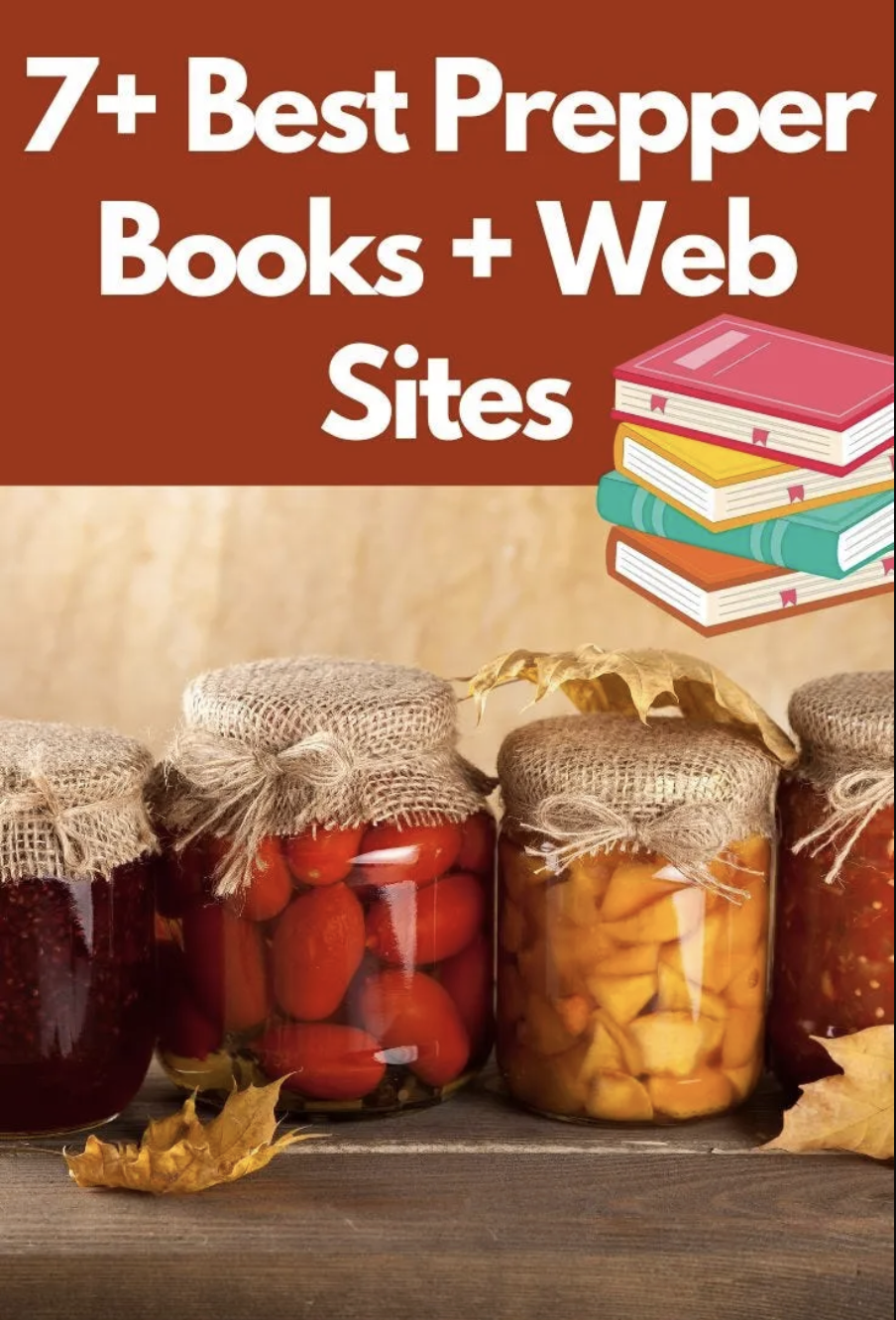
So here are the best books and websites to take a look at. It’s been to be prepared than taken by surprise!
When Crisis Hits Suburbia: A Modern-Day Prepping Guide to Effectively Bug in and Protect Your…
Would your family survive in lockdown if society were to collapse? Learn how to prepare your home now. If you want to…
The Prepper's Survival Bible: A Complete Guide to Long Term Survival, Stockpiling, Off-Grid Living…
The Prepper's Survival Bible: A Complete Guide to Long Term Survival, Stockpiling, Off-Grid Living, Canning, Home…
How to Prepare for Climate Change: A Practical Guide to Surviving the Chaos
You might not realize it, but we're already living through the beginnings of climate chaos. In Arizona, laborers now…
Prepare Your Home for a Sudden Grid-Down Situation: Take Self-Reliance to the Next Level with…
Prepare Your Home for a Sudden Grid-Down Situation: Take Self-Reliance to the Next Level with Proven Methods and…
Survival Gardening and Raising Chickens for Beginners: Start Your Backyard Homestead and Learn How…
Survival Gardening and Raising Chickens for Beginners: Start Your Backyard Homestead and Learn How to Live a…
The Bug Out Book: Take No Chances and Prepare Your Bug Out Plan Now to Thrive in the Worst Case…
The Bug Out Book: Take No Chances and Prepare Your Bug Out Plan Now to Thrive in the Worst Case Scenario When Bugging…
The DIY Off Grid Solar Power Bible: [10 in 1] The Most Complete and Updated Guide to Design…
The DIY Off Grid Solar Power Bible: [10 in 1] The Most Complete and Updated Guide to Design, Install, and Maintain…
Sold Out Forever: 101 Items to Grab Before the U.S. Dollar Vanishes (The Survival Collection)
Amazon.com: Sold Out Forever: 101 Items to Grab Before the U.S. Dollar Vanishes (The Survival Collection) eBook …
The Prepper's Ultimate First Aid Bible: Provide Medical Care When Society Collapses
The Prepper's Ultimate First Aid Bible: Provide Medical Care When Society Collapses [Freeman, Robert] on Amazon.com…
20 Prepper Websites To Bookmark - Must Read Prepper Websites
20 Prepper Websites To Bookmark I put together this list of some of the best websites out there that offer real value…
How To Organize a Toy Swap
/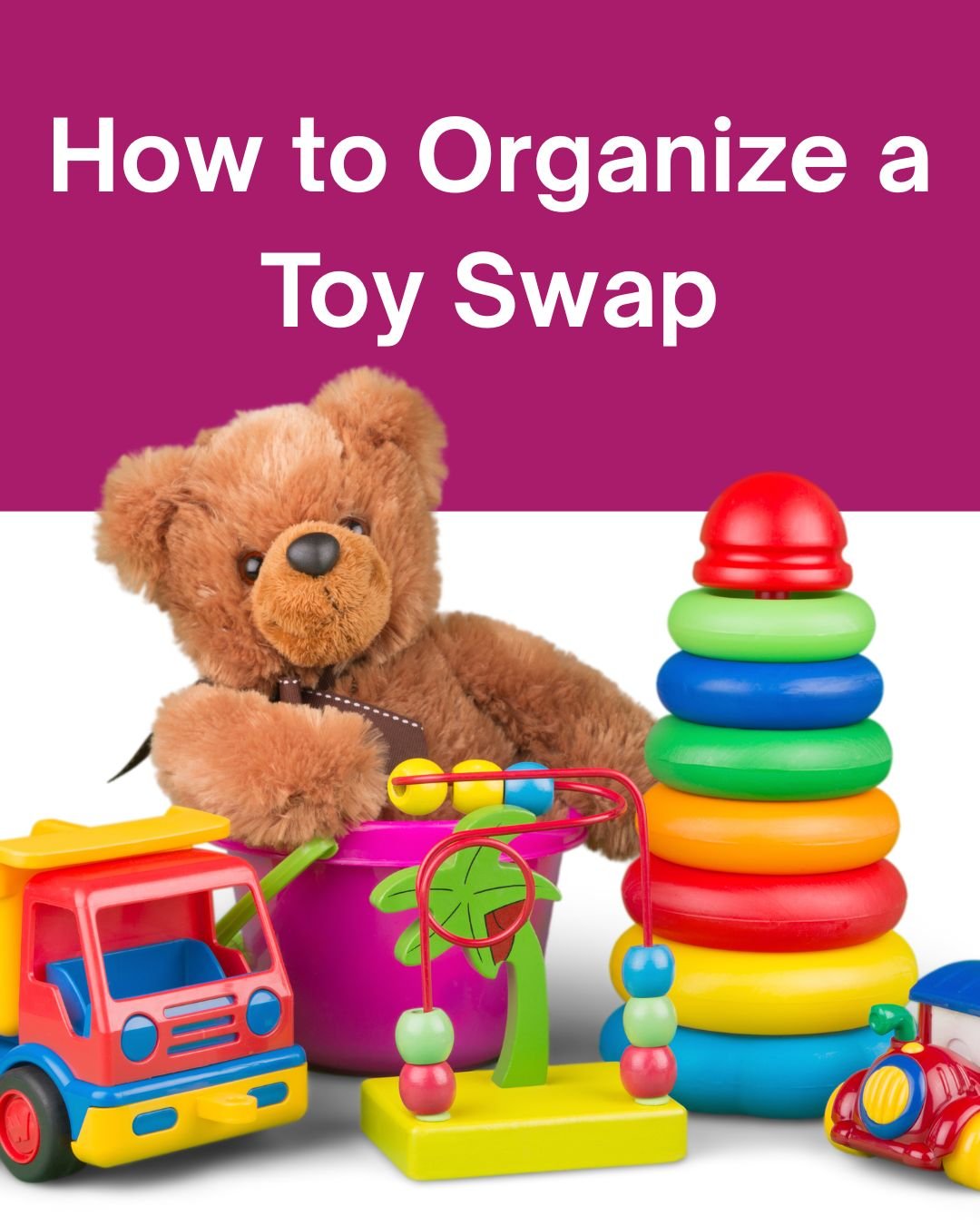
This is a great way to get new gifts for your kids- or help out your community!
Here’s how I would set it up!
To organize a toy swap, invite families with children in similar age groups and set clear guidelines for the number and condition of toys. On the day of the swap, set up an organized display area where participants can drop off toys, and then use a system like drawing numbers to ensure fair distribution.
Invite people with children in a similar age range to increase the chances of finding good swaps.
Decide on the number of toys each person should bring (e.g., 2–3) and set expectations for their condition. You can also decide on rules for leftover toys, such as donating them.
Send invitations with all the necessary guidelines, including the number of toys, quality, and how the swap will work. Punchbowl makes it easy!
If your children are participating, talk to them about the swap and let them choose which toys to bring.



Try Out Sling TV For Free!
/
Sling lets you stream on-demand movies, live TV shows, and live sports instantly on all your favorite devices.
Watch TV online anytime, anywhere. Choose the channel package that fits your tastes!
5+ Must Have Board Games + Amazon Sale
/
Amazon has a really awesome board game sale right now!
If you’re looking for some suggestions, here are a few that we highly recommend.
*this article may include affiliate links
Message in a Bottle DIY
/
printer paper or cardstock
pens
planter
Directions
Write or print the directions sign with similar verbiage: Message in a Bottle – please leave a note for the Mr. & Mrs. to read on their first anniversary. Place in picture frame.
2. Set up your table: arrange mini glass bottles, place pens in cups or jars
3. Cut as many thin strips of paper as needed for your guests and set them on the table.
4. Encourage guests to write a cute note to the couple, roll up the message, and slip into the bottle.
5. Stash the bottles in the sand in the planter or basket like a real ‘message in a bottle’!
Clever Way to Organize Meds
/
Stock up on over-the-counter meds like:
And here are some container options:
Valentine's Day Fruit Cups
/
Buy these adorable fruit shaped cups.
Fill with fruit and dip!

10+ Clever Hacks to Save Money at Starbucks
/
I am super addicted to Starbucks pumpkin bread and the Refresher cold drinks. But it can get really expensive, quick!
Here are some of my best tips for saving @ Starbucks!
Sign up for a Starbucks card. Not only do you earn free drinks on your birthday, you’ll get two stars per dollar you spend, and when you reach certain thresholds, you’re eligible for freebies (one free coffee for every $25 spent, for example).
Plus get free refills on hot or iced brew coffee and tea during the same store visit with a Starbucks reward card!
3. Be on the lookout for Starbucks instant win games. Here is one of the last games they offered. It’s a great way to earn points and free food.
4. Instead of pouring out coffee to make room for cream, order a small size but in a bigger cup.
Complete activities like games and challenges within each Journey to earn Points. We’ll add new Journeys throughout the year for more opportunities to earn Points. Once you complete a Journey, you’ll be awarded with a collectible Journey Stamp. and bonus Points towards your Point total. Watch for opportunities to purchase limited edition Stamps featuring unique, one-of-a-kind artwork, which will add even more bonus Points to your Point total — helping you to level up faster to unlock new Benefits.
6. Bring in a coffee sleeve to be reused and get a $0.10 discount. You also get a $0.10 discount for bringing in a mug.
7. Shop online. They regularly offer sales and deals.
8. Target stores that have Starbucks regularly clearance Starbucks mugs, coffee and more, especially after the holidays.
9. Don’t forget to get your puppy a puppachino! It’s a small cup of whip cream for a few dollars that your pup will love.
10. Check out the secret Starbucks menu.
11. Make your own Starbucks favorites @ home!
Starbucks Passion Tea Lemonade Copycat
Starbucks Copycat Caramel Frappuccino
Starbucks Valentine Frappuccino
Starbucks Love Bean Frappuccino